Pharmaceutical products are highly sensitive to environmental conditions. Maintaining proper temperature throughout storage, handling, and transport is critical to preserve the potency, safety, and efficacy of medications, vaccines, and biologics. Temperature monitoring protects pharmaceutical shipments by providing continuous oversight, preventing temperature excursions, and ensuring compliance with regulatory standards.
Without effective monitoring, pharmaceutical products can lose effectiveness, potentially putting patients at risk. Cold chain monitoring integrates devices, data management, and process controls to maintain the integrity of temperature-sensitive shipments from manufacturers to distributors, pharmacies, and healthcare facilities. Logistics managers, quality assurance teams, and supply chain professionals rely on these systems to mitigate risk, protect product quality, and comply with global standards.
Pharmaceutical logistics is complex, involving multiple stages and stakeholders. Temperature deviations at any point can compromise product quality. Cold chain monitoring provides visibility and control to ensure medications are stored and transported under optimal conditions.
Key reasons cold chain monitoring is essential include:
By maintaining rigorous temperature controls, organizations safeguard patient safety, strengthen brand reputation, and enhance overall supply chain efficiency.
Modern pharmaceutical logistics relies on a variety of temperature monitoring devices tailored to different shipment types and durations.
Data loggers are compact, battery-operated devices that record temperature over time. They are placed inside shipping containers or packaging to monitor environmental conditions throughout the journey. Data loggers provide a detailed record for post-shipment review and regulatory documentation, helping organizations demonstrate compliance and traceability.
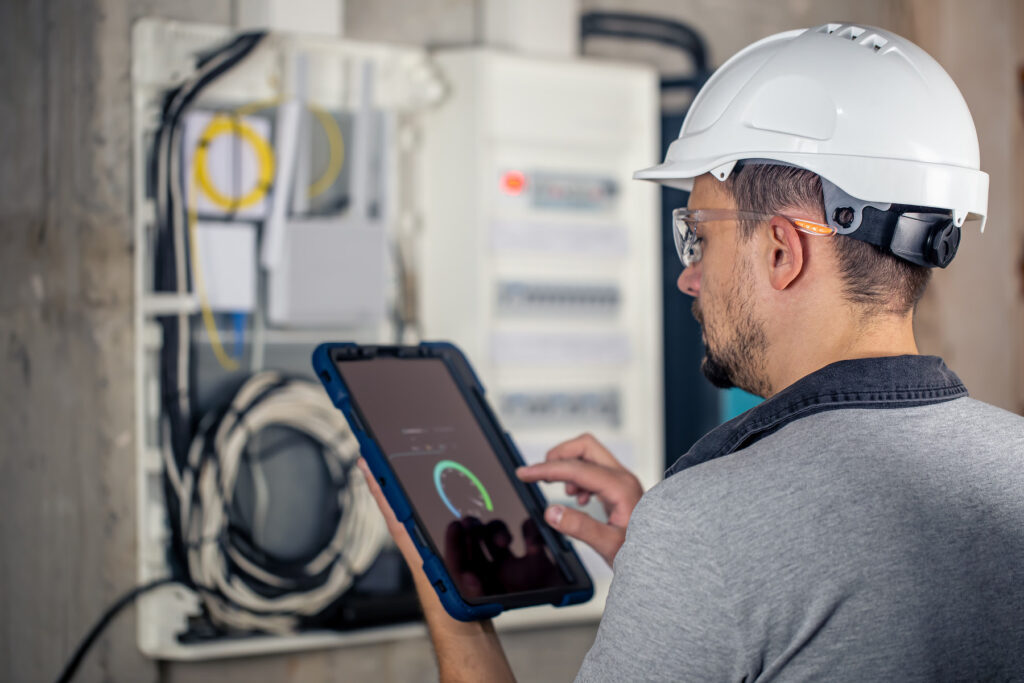
Real-time monitoring devices, such as the OneShot Series, allow continuous tracking of temperature and provide instant alerts if conditions exceed set thresholds. These devices often integrate cloud-based reporting, enabling logistics managers to access PDF reports, review trends, and implement corrective actions immediately.
Advanced temperature monitoring systems can integrate IoT technology, providing live updates, geolocation tracking, and predictive analytics. These systems help identify potential risks before they escalate and allow centralized monitoring of multiple shipments simultaneously.
International standards like ISO 13485 and ISO 9001 define protocols for device accuracy, calibration, and monitoring procedures. Compliance with these standards ensures that pharmaceutical shipments meet global quality and safety requirements. Organizations that adhere to ISO standards gain regulatory credibility and reduce the risk of inspection-related penalties.
Effective temperature monitoring is a proactive strategy for risk mitigation in pharmaceutical supply chains.
Temperature-sensitive drugs can degrade if exposed to temperatures outside recommended ranges. Cold chain monitoring ensures deviations are detected quickly, preventing compromised products from reaching patients.
Temperature monitoring provides the documentation required by regulatory authorities to verify that products have been handled correctly. Digital logs, cloud-based PDF reports, and automated alerts make it easier to demonstrate compliance during audits and inspections.
Modern cold chain devices send instant notifications when temperature excursions occur. These alerts allow logistics teams to implement corrective measures, such as adjusting storage conditions, rerouting shipments, or contacting the carrier, minimizing potential losses.
Cold chain monitoring ensures complete traceability of shipments. By tracking temperature data from origin to destination, organizations can identify weak points in the supply chain, improve accountability, and enhance operational efficiency.
Implementing a robust cold chain monitoring strategy requires attention to detail, process standardization, and proper use of technology.
Selecting the right monitoring device is crucial. Considerations include:
Proper deployment ensures accurate and reliable data collection throughout the supply chain.
Monitoring devices must be calibrated regularly to maintain accuracy. Routine maintenance, firmware updates, and battery checks prevent device failure and ensure consistent performance.
Employees handling temperature-sensitive shipments must be trained on device usage, cold chain procedures, and response protocols for excursions. Standard operating procedures (SOPs) ensure consistency across all levels of the supply chain.
Analyzing historical temperature data helps identify trends, vulnerabilities, and opportunities for process improvement. Continuous monitoring and data-driven decision-making improve overall reliability and compliance.
Pharmaceutical logistics is increasingly leveraging advanced technologies to enhance cold chain effectiveness.
Internet of Things (IoT) devices allow centralized tracking of multiple shipments in real-time. These devices provide alerts, environmental analytics, and geolocation tracking, improving visibility across complex supply networks.
Cloud platforms enable instant access to temperature data and generate PDF reports for compliance documentation. They streamline audit processes and allow remote monitoring by multiple stakeholders.
Some advanced monitoring systems use predictive algorithms to forecast potential temperature excursions. This allows preventive action before a problem occurs, improving product safety and reducing waste.
Investing in temperature monitoring technology provides multiple advantages:
By implementing these strategies, organizations ensure safe delivery of pharmaceutical products while maintaining compliance, reducing risk, and strengthening stakeholder confidence.
Regulatory authorities mandate strict temperature controls for pharmaceutical products. Continuous monitoring helps companies adhere to:
Proper monitoring and documentation not only reduce the risk of non-compliance but also enhance credibility with clients, regulators, and patients.
Temperature monitoring is an essential component of pharmaceutical supply chain management. Using cold chain devices, real-time alerts, cloud-based reporting, and adherence to ISO standards, organizations can protect product integrity, ensure regulatory compliance, and reduce risk.
For logistics managers, supply chain QA teams, and pharmaceutical distributors, robust temperature monitoring ensures that drugs, vaccines, and biologics arrive safely, maintain efficacy, and meet quality standards. A comprehensive cold chain monitoring strategy safeguards patient health, enhances operational efficiency, and reinforces trust in the pharmaceutical supply chain.
Connect with Kaptar Technologies today to experience innovation, accuracy, and excellence in measurement solutions.
Temperature monitoring prevents degradation of drugs and biologics, maintaining safety, efficacy, and compliance.
Data loggers, real-time monitoring devices like the OneShot Series, and IoT-enabled sensors track temperature continuously and send alerts.
Alerts notify logistics teams of excursions immediately, enabling corrective action to prevent spoilage and maintain product integrity.
Pharmaceutical supply chains must comply with FDA guidelines, EMA regulations, and ISO standards for temperature-sensitive products.
Cloud-based reports and digital logs provide traceable evidence of proper temperature handling, essential for audits, inspections, and quality assurance.